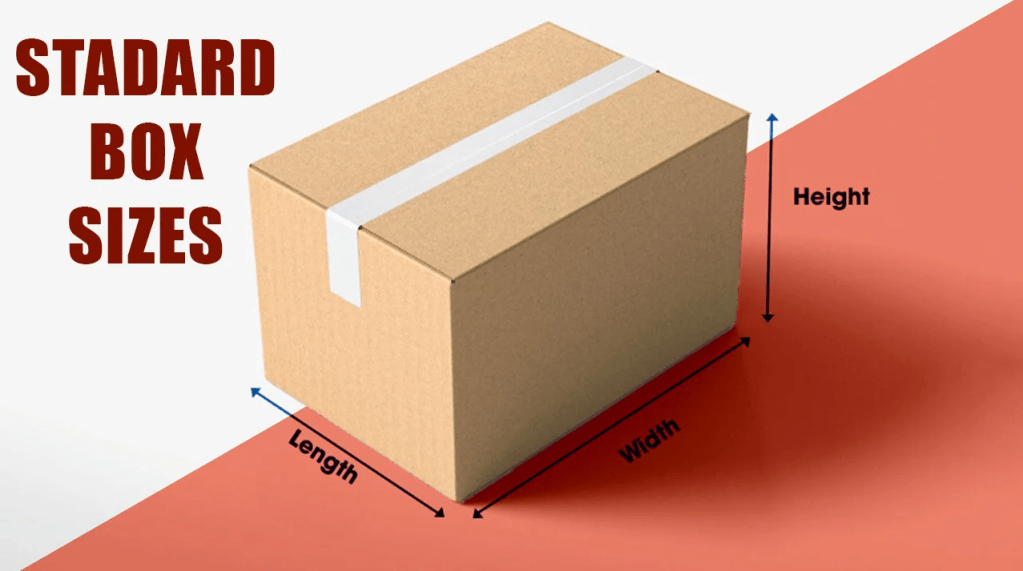
When it comes to packaging, shipping, or storing items, understanding the length width and height of a box is essential. These three dimensions define the size and shape of the box and help in determining how much space an item will occupy, ensuring that it fits perfectly in a specific space or meets shipping requirements.
In this article, we’ll break down the importance of these dimensions, how to measure them, and how they affect various aspects such as shipping costs, storage solutions, and packing efficiency.
What Are Length, Width, and Height of a Box?
The dimensions of a box are defined by its length, width, and height. Each of these measurements is important for determining the box’s total volume and how much it will hold.
- Length refers to the longest side of the box. It’s the dimension that typically runs horizontally when the box is placed with its opening facing up.
- Width is the shorter side, usually perpendicular to the length. It runs across the box from left to right when the opening is facing up.
- Height refers to how tall the box is from the base to the top. It’s the vertical measurement.
How to Measure Length, Width, and Height of a Box?
To accurately measure the length, width, and height of a box, follow these steps:
- Place the box flat: Ensure the box is sitting with its opening facing up, resting flat on a surface.
- Measure the length: Use a measuring tape or ruler to measure the longest side of the box from one edge to the other.
- Measure the width: Next, measure the shorter side, perpendicular to the length.
- Measure the height: Finally, measure the distance from the base to the top of the box, which will give you the height.
Be sure to measure in inches or centimeters, depending on your preferred unit of measurement.
Why Do Length, Width, and Height Matter?
Understanding the length, width, and height of a box is crucial for a variety of reasons:
- Shipping and Handling: Shipping costs are often determined by the dimensions of the box. For instance, carriers like UPS and FedEx use dimensional weight pricing, meaning the larger the box, the more it could cost to ship, regardless of its weight.
- Packing Efficiency: Knowing the dimensions of a box helps in packing items efficiently. By using the right-sized box for your goods, you can prevent damage and avoid wasted space.
- Storage: Storing items in boxes requires accurate measurements to ensure they fit into shelves, closets, or warehouses. Misjudging the box size can lead to disorganized storage and inefficient use of space.
How to Calculate the Volume of a Box?
Once you know the length, width, and height of a box, calculating its volume is easy. The formula for volume is:Volume=Length×Width×Height
For example, if a box has a length of 10 inches, width of 5 inches, and height of 8 inches, the volume would be:Volume=10×5×8=400cubic inches
This calculation helps you understand the internal space of the box and how much it can hold.
Tips for Accurate Measurement
To ensure accuracy when measuring the length, width, and height of a box, follow these tips:
- Always use a measuring tape for longer sides and a ruler for smaller dimensions.
- Double-check measurements for precision, especially if you’re determining shipping costs or fitting boxes into a storage area.
- If the box has irregular shapes (e.g., a slanted lid), make sure to measure the longest points for each dimension.
Conclusion
Knowing the length, width, and height of a box is key to ensuring that items fit correctly in the box and that they’re properly packaged and shipped. Accurate measurements help in reducing shipping costs, improving packing efficiency, and optimizing storage. By following simple measurement guidelines and calculating the volume, you can make informed decisions about packaging and ensure that items are securely stored or shipped.


Leave a Reply